What were the big ideas?
The Big Ideas this week involved looking at the concept of Measurement. This week I have learnt that being able to measure is being able to count in units to record results. However, like most concepts in order for a student to be able to measure correctly they first must have a basic knowledge from week 6 as the connections between this, numbers and counting principles are important.
My personal understanding of this week’s topic has changed as I have learnt that measurement is a topic that contains multiple concepts. Because of these new understanding in the future when teaching I will rememeber to consistently utilise the 4 step teaching sequence as I believe it can help students learn any measurement concept.
Measurement: one concept, skill or strategy
The skill of measuring length in particular is specifically taught through the 4 step teaching sequence. Students even in early primary years should already have formed a conceptual understanding of what length is through prior experiences. In order to begin practicing the skill of measuring length, students use Arbitrary units such as feet, blocks and the length of string to measure the length of an object or to compare these lengths with others in the class. It is recommended that this skill should be done within the first two stages of the language model.
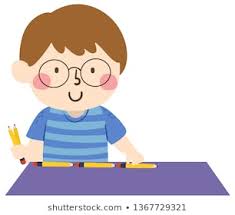
Once students are able to perform this specific skill, they can then be introduced to measuring in the more traditional Standardised units, however, before this they must be taught how to use a ruler or tape measure. Onnly after students have understood how this technology works, they must then use the technology and apply the skill of counting units to correctly measure the length of given objects. A student will be successful at measuring when they can perform the previously discussed skill correctly and the number of units they recorded is correct.
Misconceptions
A common misconception that may occur when students are first learning how to measure length can be when students are using the technology of a ruler. Incorrectly, some students may decide to start measuring at the beginning ‘1 cm’ line, instead of the ‘0 cm’, where the measurement should actually begin. Most of the time this misconception becomes more frequent when students have been shown how to measure with this technology incorrectly or they simply do not understand that the measurement begins at 0 cm.
In an attempt to eliminate this misconeption, I would start by taking the students back to the mathematics language stage where they are introduced to the technology of a ruler of tape measure. They will have to be explained to that there are measurements between 0 centimetres and 1 centimetre, and that unit space is the starting point. In order to physically do this, students could measure small objects like rubbers or small sharpeners to see that there are smaller units that need to be considered, before something can be 1 centimetre long. Teachers could model how there are 10 millimetre that make 1 centimetre, similar to how there are fractional numbers between 0 and 1, therefore, when measuring, even in centimeters we need to consider this.
ACARA
Measuring length is first introduced in the foundation year, for students within the
Mathematics/ Foundation Year/ Measurement and Geometry/ Using units of measurement/ ACMMG006

Scootle Resource
All screen shots for this resource retrieved from: https://www.funbrain.com/games/measure-it
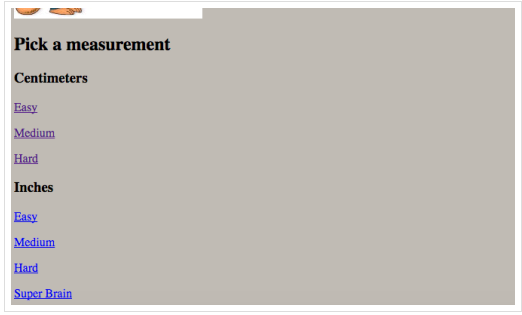
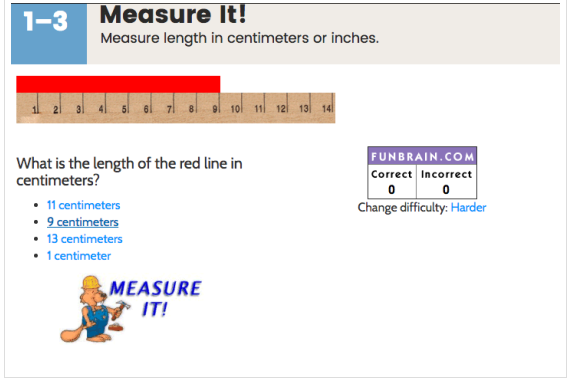
Measure it is a Scootle recommended for children grades 1 through to 3. This interactive online game provides the option of 3 difficulty levels, it is a requirment that that student is at the symbolic language stage of the resource model to be able to engage with this resource successfully throughout all 3 levels. This particular resource is testing the skill of measuring, as it starts by asking students to choose which measurement they think is the correct answer for where the red line finishes as shown in the picture above (Funbrain Holdings, LLC, 2017). Because students are able to select whether they would like to measure in inches or centimeters students beginning the symbolic stage may use the inches measurement, which could cause misconceptions if they are required to measure in real life, making this a limitation.
Resources or teaching strategies
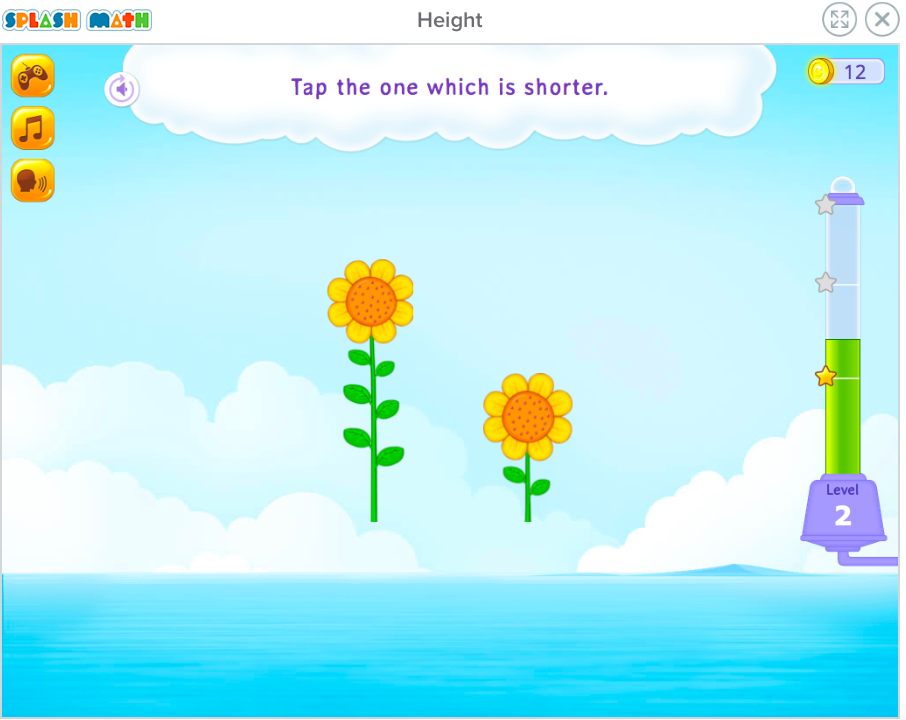
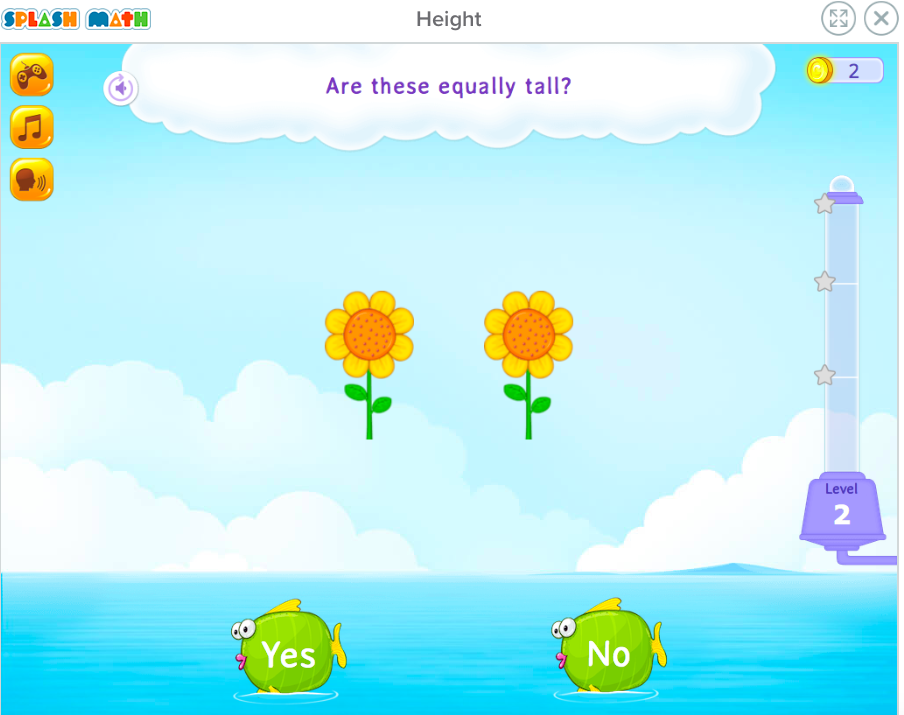
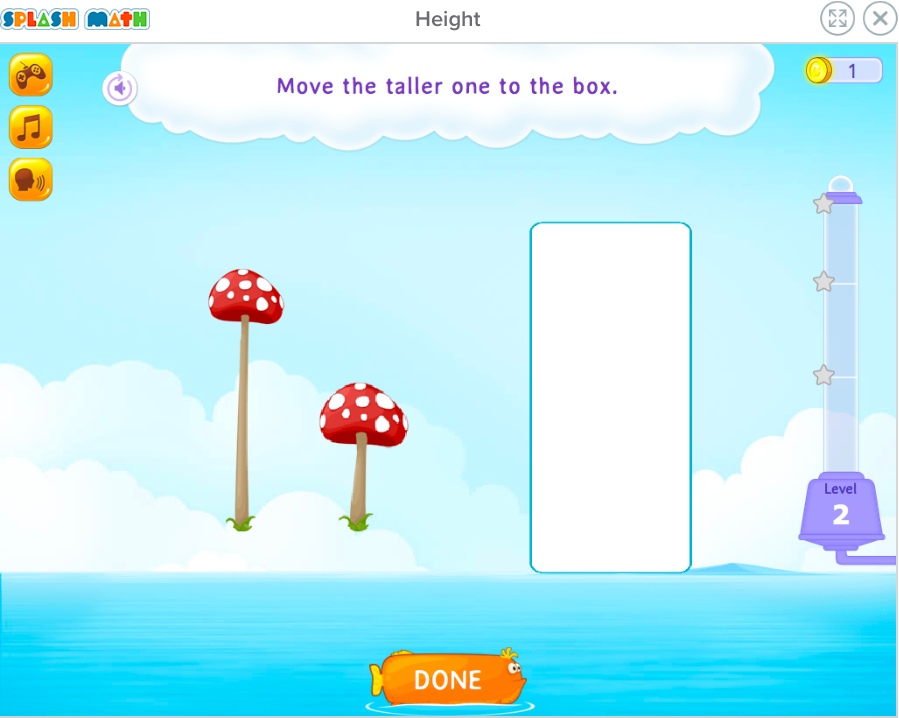
This teaching resource similar to the first one is an online interactive game that teachers can easily incorporate into math lessons when they are first introducing the idea of comparison. This game could be used for students in foundation year through to year 2. This would be used when children are at the materials language stage of the language model. This game models various comparison questions in an engaging quiz style game. This resource successfully provides an understanding that height is a measurable attribute. All student have to do is select the taller or shorter of two objects using visual comparison (Splash Math, 2019). The only limitation to this resource when compared to the previous is the fact that it doesnt seem to increase in difficulty which could get boring for students that manage to grasp this skill quickly
All screenshots for this resource retrieved from: https://www.splashmath.com/measurement-games
Textbook : concept, skill or strategy
Reys chapter 17 discusses the concept of measurement with multiple examples for all of the measurable attributes. While doing this, Reys also manages to explain the importance of building upon students prior experiences with length, area, volume and capacity, mass, time, temperature and angle, which is the techers given role (Reys, 2014).
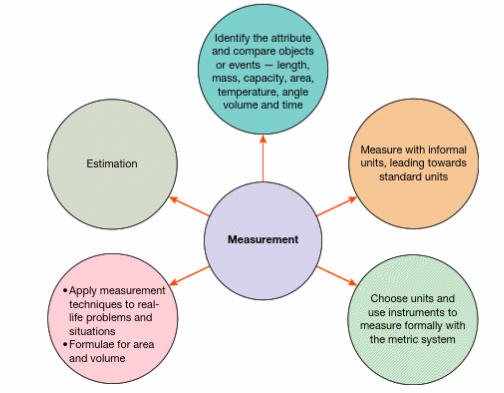
In order for a student to measure with understanding, they first need to know what attribute they are supposed to be measuring. For example, younger students may find it more challenging to measure the area of a given object because they might not yet understand the concept of area or surface. However, before this students will gain some intuitive understanding of area from real life experiences, like putting blue coloured paper in their block construction to symbolise a swimming pool (Reys, 2014).
References
Education Services Australia. (2019). Search. Retrieved from http://www.scootle.edu.au/ec/search?accContentId=ACMMG006
Funbrain Holdings, LLC. (2017). Measure It!. Retrieved from https://www.funbrain.com/games/measure-it
KidsEduc – Kids Educational Games. (2015, May 27). Math for Kids: Measurement, “How Do You Measure Up” – Fun & Learning Game for Children [Video file]. Retrieved from https://www.youtube.com/watch?v=zsv7bYSrzMU
Reys, R. E. (2014). Helping children learn mathematics 2e. Retrieved from https://ebookcentral-proquest-com.ezproxy1.acu.edu.au
Splash Math. (2019). Measurement Games for Kids Online. Retrieved from https://www.splashmath.com/measurement-games

 Weekly Reflections